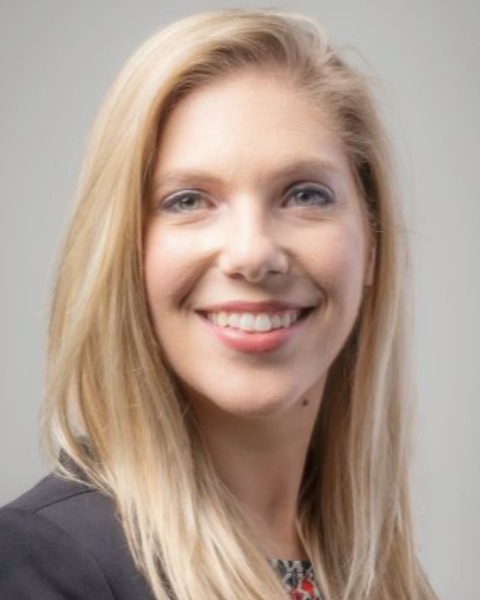
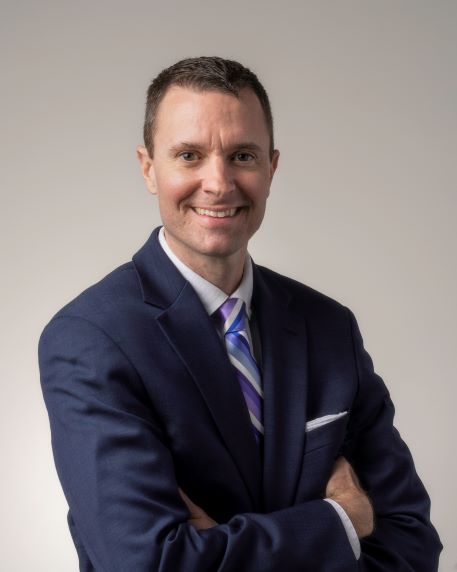
Assistant Vice President of Transformational Giving University of Central Florida
As fundraising professionals, we are on the precipice of the largest transfer of wealth in human history. While this provides an unprecedented opportunity for philanthropic giving, it also comes with increasing challenges for fundraisers, planned giving officers, professional advisors, and other staff regularly engaging with our donor population. Cognitive impairment in elderly donors - caused by natural aging, traumatic brain injury, stroke, and disease - is on the rise, often resulting in diagnoses of dementia or Alzheimer's Disease, which can create difficult ethical and legal issues for our professionals when discussing charitable gifts.
Are you prepared for this inevitable scenario?
Our session will teach attendees about the cognitive impairment in donor populations, how to identify the top signs, and applicable best practices on how best to handle these situations through an ethical and legal lens. Participants in our session will leave knowing what next steps to take when they, or their colleagues, are faced with the issue of cognitive impairment in an elderly donor.
Learning Objectives:
By attending this session participants will learn how to identify the top ten signs of cognitive impairment.
By attending this session participants will learn to recall best practices when encountering elderly donors with cognitive impairment.
By attending this session participants will learn how to communicate best practices to colleagues and staff who regularly encounter donors to their organization.

.png)